א
Food and drink
A complete fast of about 25 hours: no eating or drinking. The sick, women in childbirth and those for whom it is dangerous are exempt.

On Yom Kippur a person sets the body aside for a day to be alone with the soul. Tradition names five “afflictions” — the five prohibitions of the day.
A complete fast of about 25 hours: no eating or drinking. The sick, women in childbirth and those for whom it is dangerous are exempt.
One does not wash for pleasure. On this day care for the body is set aside; all attention turns inward.
One does not use oils, creams or cosmetics — the marks of everyday comfort and beauty.
Leather shoes are not worn — a symbol of comfort and plenty. Many come to synagogue in simple cloth shoes.
Marital relations are set aside. The whole day is devoted to the spiritual, not the physical.
People wear white — a symbol of purity, like the angels. Many don the kittel, a white robe that also recalls humility before judgment.
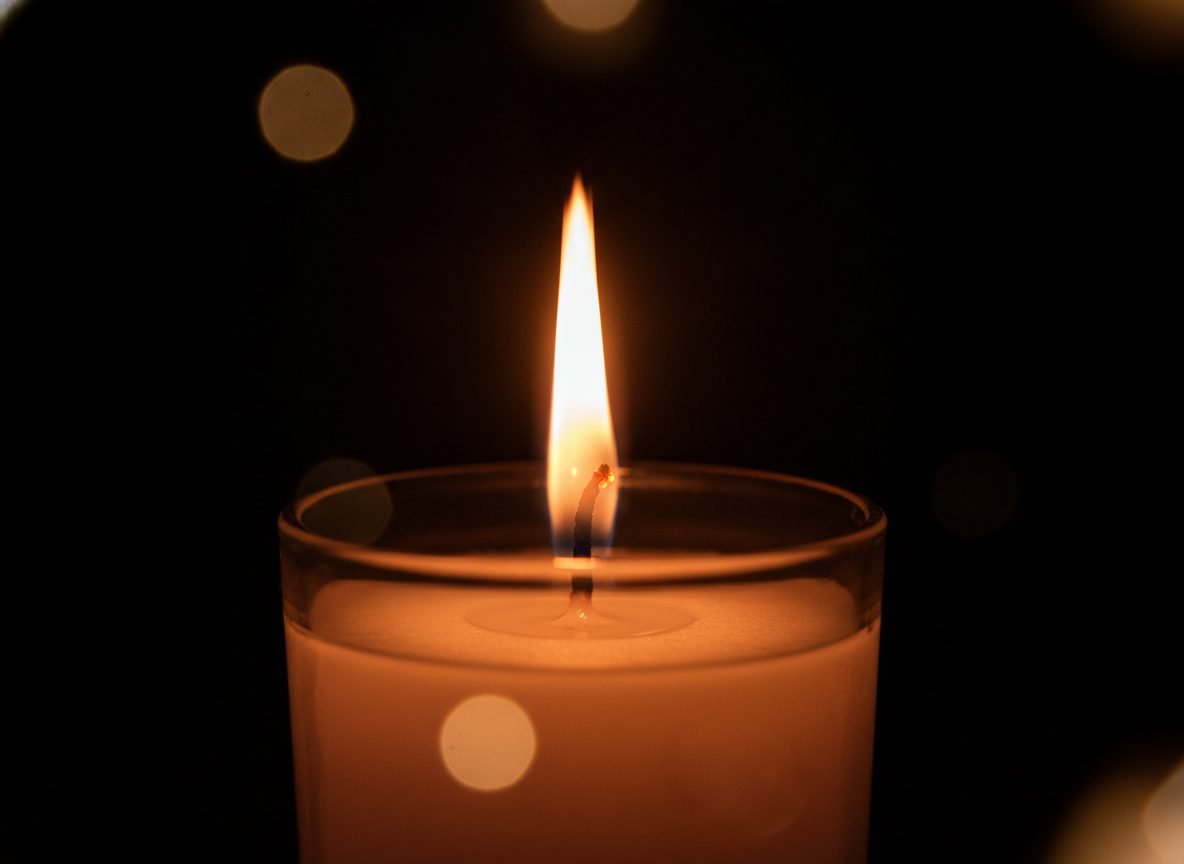
On the morning of Yom Kippur, Yizkor is recited — the prayer in memory of departed loved ones. A memorial candle is lit that burns the whole day, and those no longer with us are remembered.
Memory on this day is not grief for its own sake but a bond of generations: the living ask good for the souls of the departed and for themselves, continuing what was begun.
On the eve, before sunset, a hearty meal is held — the seudah mafseket — to make the fast easier. Plain, unsalted food is eaten; children are blessed and forgiveness is asked of those close.
And at the day's end, after the final shofar, families gather to break the fast. They wish one another “Gmar chatimah tovah” — “a good final sealing” — and “Tzom kal,” an easy fast.
Gmar chatimah tovah — may you be inscribed and sealed for a good year.