
The holiest day of the year
Yom Kippur (Hebrew יוֹם כִּפּוּר, “Day of Atonement”) is the holiest day of the Jewish calendar, observed on the 10th of Tishrei, ten days after Rosh Hashanah. It is called the “Sabbath of Sabbaths”: on this day all work ceases.
It is a day of complete fasting and prayer lasting about 25 hours — from sunset to the appearance of the stars the next evening. It closes the Ten Days of Awe (Yamim Noraim) that began at Rosh Hashanah: what was written then is sealed on Yom Kippur.
Yet Yom Kippur is not a day of despair but of cleansing and hope. Teshuvah (return), prayer and good deeds open the way to forgiveness, and the final shofar blast proclaims that the decree is softened and the year begins anew.
Yom Kippur in Azerbaijan
Azerbaijan is home to one of the world's oldest Jewish communities and a long tradition of interfaith tolerance. On Yom Kippur the synagogues of Baku and Quba fill with worshippers in white: Kol Nidre is sung, and the next day brings the long fast and teshuvah.
A special place belongs to Krasnaya Sloboda (Qırmızı Qəsəbə) near Quba — one of the few places in the world where Mountain Jews live compactly. There the Day of Atonement is met with ancient Juhuri melodies, a community-wide fast and the closing shofar at nightfall.
Deeper into the day
Three sides of Yom Kippur — its inner meaning, the order of its prayers and the customs of the fast.


Neilah
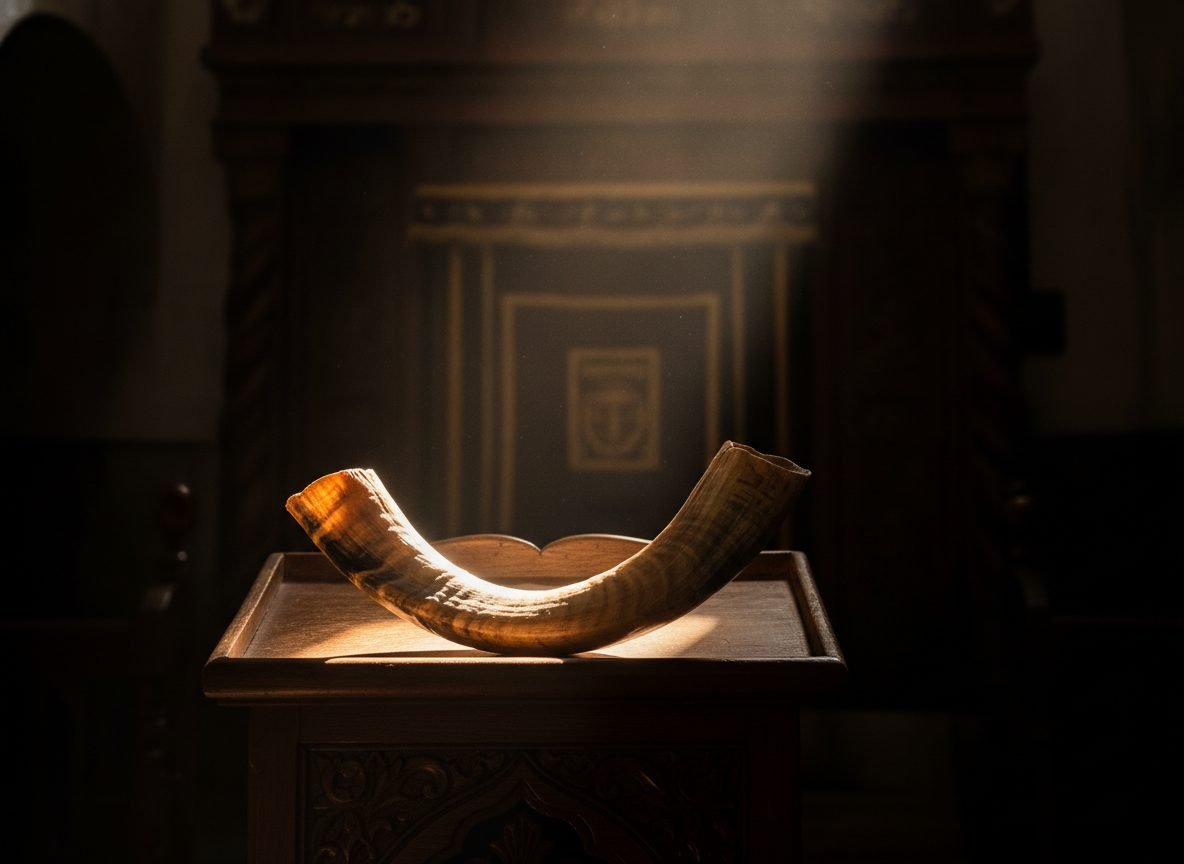
As the gates of heaven close, the last prayer rises with the sound of the shofar — and the year begins again.
One day outside of time
Yom Kippur falls on the 10th of Tishrei and lasts a full day — from sunset to the appearance of the stars. In the Gregorian calendar the date shifts each year, usually September or early October.